
14 general guidelines for healthy adults
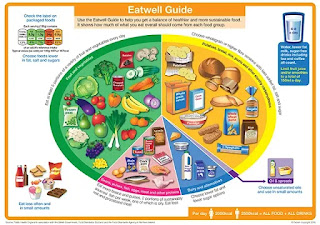
Ø Add colour to your daily meals balancing the correct amounts. In today’s fast-paced world, maintaining a balanced diet can be challenging. However, incorporating colorful foods into your daily meals can not only enhance the visual appeal but also ensure you get the essential nutrients your body needs. Let’s delve into why adding color to your meals is crucial and how to do it effectively. Benefits of Adding Color to Meals Nutritional Value Each color in fruits and vegetables signifies a different set of nutrients. For instance, orange and yellow foods like carrots and bell peppers are rich in beta-carotene and vitamin C, which promote healthy skin and immune function. Dark leafy greens like spinach and kale are packed with vitamins A, C, and K, as well as iron and calcium, supporting bone health and overall vitality. By consuming a variety of colors, you can ensure you’re getting a diverse range of essential vitamins, minerals, and antioxidants. Visual Appeal Adding vibrant colors to your plate not only makes your meals visually appealing but also stimulates your appetite. A colorful assortment of foods can make eating a more enjoyable experience, enticing you to consume a wider array of nutrients. Additionally, the presentation of colorful dishes can enhance the dining experience, making it feel more special and satisfying. Tips for Incorporating Colorful Foods Variety of Fruits and Vegetables Include a rainbow of fruits and vegetables in your diet. Aim to incorporate at least three different colors in each meal. For breakfast, add berries to your cereal or oatmeal, or blend them into a vibrant smoothie. For lunch and dinner, include a variety of colorful vegetables in salads, stir-fries, or wraps. Experiment with different combinations to keep your meals exciting and nutritious. Meal Planning Plan your meals ahead to ensure you have a diverse selection of colorful foods on hand. Make a grocery list that includes a variety of fruits and vegetables in different hues. Choose seasonal produce whenever possible, as it tends to be fresher and more flavorful. By planning your meals in advance, you can avoid impulse buys and ensure you have the ingredients you need to create balanced and colorful dishes. Importance of Balance Macronutrients and Micronutrients In addition to incorporating colorful foods, it’s essential to maintain a balance of macronutrients (carbohydrates, proteins, and fats) and micronutrients (vitamins and minerals) in your diet. While colorful fruits and vegetables provide essential vitamins and antioxidants, they should be complemented with sources of protein, healthy fats, and whole grains to create a well-rounded meal. Portion Control While it’s important to eat a variety of colorful foods, portion control is key to maintaining a healthy weight and preventing overeating. Be mindful of portion sizes and listen to your body’s hunger cues. Focus on eating until you’re satisfied rather than stuffed, and aim to fill half your plate with colorful fruits and vegetables, a quarter with lean protein, and a quarter with whole grains or starchy vegetables. Overcoming Challenges Budget Constraints Eating a colorful and nutritious diet doesn’t have to break the bank. Look for affordable options such as frozen fruits and vegetables, which are often just as nutritious as fresh produce but more budget-friendly. Buy in bulk, choose seasonal produce, and take advantage of sales and discounts to stretch your food dollars further. Time Constraints In today’s busy world, finding time to prepare healthy meals can be a challenge. However, with a little planning and preparation, it’s possible to incorporate colorful foods into your daily routine. Consider batch cooking and meal prepping on weekends to have nutritious meals ready to go during the week. Invest in time-saving kitchen gadgets like a slow cooker or instant pot to streamline meal preparation. Ø Eat whole grains and their products including less polished rice, instead of refined grains and their products. Eat Whole Grains for Better Health In today’s fast-paced world, making healthy food choices is more important than ever. One simple yet impactful change you can make is to incorporate more whole grains into your diet. Instead of reaching for refined grains and their products, such as white bread and white rice, opt for whole grains like brown rice, quinoa, and whole wheat bread. Let’s delve into why making this switch is beneficial for your health. Understanding Whole Grains vs. Refined Grains 01. What are Whole Grains? Whole grains are grains that contain all parts of the grain kernel – the bran, germ, and endosperm. This means they retain all the nutrients and fiber found naturally in the grain. 02. What are Refined Grains? Refined grains, on the other hand, have been processed to remove the bran and germ, stripping away many of the nutrients and fiber. What’s left is mostly the starchy endosperm. Nutritional Benefits of Whole Grains Fiber Content Whole grains are an excellent source of dietary fiber, which is crucial for digestive health and can help prevent constipation. Vitamins and Minerals Whole grains are rich in essential vitamins and minerals, including B vitamins, iron, magnesium, and selenium, which are important for overall health and wellbeing. Antioxidants Whole grains contain antioxidants that help protect cells from damage caused by free radicals, reducing the risk of chronic diseases such as cancer and heart disease. Health Risks Associated with Refined Grains 01. Impact on Blood Sugar Levels Refined grains have a high glycemic index, causing a rapid spike in blood sugar levels followed by a crash, which can leave you feeling tired and hungry shortly after eating. 02. Digestive Health The lack of fiber in refined grains can lead to digestive issues such as constipation and diverticulosis. 03. Weight Management Refined grains are often low in fiber and less filling, leading to overeating and weight gain over time. Whole Grains in Everyday Life Incorporating whole grains into your meals doesn’t have to be complicated. Start by swapping out refined grains for whole grains in your favorite recipes. Making the Switch from Refined to Whole Grains Transitioning to whole grains doesn’t have to