
WHAT IS MARKETING?
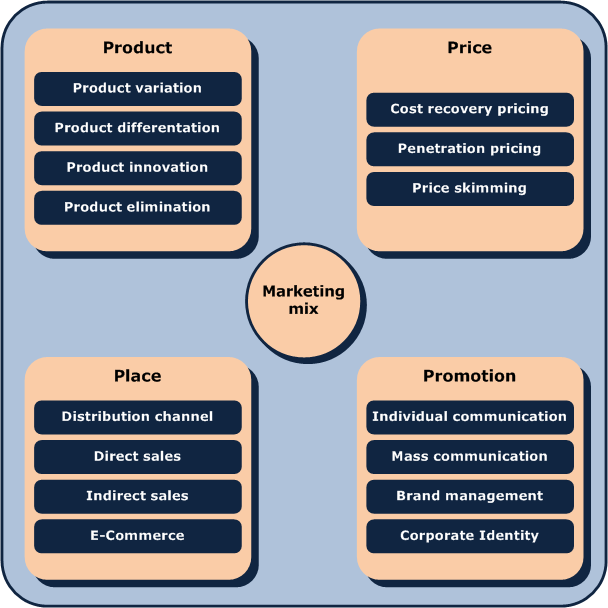
Table of contents 01. Marketing 02. Understanding Customer Needs 03. The Marketing Mix MARKETING Marketing Mix A business’s actions to encourage purchasing or selling a good or service are called marketing. Understanding consumer demands, developing products to meet those wants, choosing pricing strategies, marketing and delivering those items, and maintaining customer connections to guarantee satisfaction are all part of it. In essence, marketing is about connecting goods and services and consumers to provide value for both parties. Defining the concept of marketing The term “marketing” refers to a broad category of operations centered on determining and meeting customers’ demands. Understanding customer preferences through research, creating goods that satisfy those needs, determining what prices consumers are willing to pay, pushing products through advertising and other channels, and ensuring products are accessible when and where customers need them are all part of the process. In essence, it’s about providing clients with value and cultivating connections that encourage repeat business. Historical evolution and significance Marketing has a long history that began with basic barter systems and progressed to the complex digital marketing tactics of today. Globalization, changes in consumer behavior, and technological improvements have all had a major impact on it. Marketing back then mostly involved bartering or simple exchange of commodities. Markets grew increasingly organized as civilizations advanced, and business owners realized how crucial it was to meet consumer wants to increase sales. The mass manufacturing of commodities during the Industrial Revolution signaled a dramatic shift that prompted businesses to concentrate on distribution and production efficiency. As businesses understood the importance of giving their products distinctive identities to stand out in competitive markets, they noticed a boom in advertising and branding activities during the 20th century. As digital technology and the internet proliferated, marketing continued to develop, providing increasingly specialized and customized methods to connect with target markets. Because marketing can establish brand recognition, foster consumer loyalty, and accelerate corporate growth, it is extremely important. In a world that is continuously changing, organizations that employ effective marketing techniques are better able to understand their consumers, adjust to shifting market conditions, and maintain their competitive edge. All things considered, marketing is still changing. New technology and consumer insights are being incorporated into marketing strategies to make them more focused and effective at reaching consumers. UNDERSTANDING CUSTOMER NEEDS Successful company operations are fundamentally based on an understanding of client demands. It entails a multidimensional strategy that includes market research, customer demand fulfillment, and the study of consumer behavior. This thorough comprehension is essential for companies to prosper in a cutthroat market and create enduring bonds with their customers. Consumer Behavior and Market Analysis Consumer Behavior: The study of how people choose, pay for, use, and discard products, services, concepts, or experiences to fulfill their needs and desires is known as consumer behavior. This can apply to individuals, groups, or organizations. It explores the social, psychological, and financial aspects that play a role in these choices. 1. Psychological Factors Examining intentions, perceptions, attitudes, and beliefs is necessary to comprehend the psychological components behind customer behavior. Customers’ purchasing decisions, for example, are greatly influenced by their perceptions of the quality of a product or the reputation of a brand. 2. Socioeconomic Factors Friends, family, culture, and socioeconomic class are some of the social environments that have an impact on consumers. Consumer choices are significantly shaped by social conventions, cultural values, and reference groups. 3. Economic Factors Affordability, price, and income are examples of economic factors that have a direct influence on customer behavior. The state of the economy affects customers’ propensity to spend and purchasing power. Market Analysis: To understand the dynamics of the market, market analysis is a methodical investigation of customer preferences, competition, demography, and market trends. 1. Demographic Analysis This entails examining factors such as geography, income, gender, age, and education in the population. Markets may be divided based on demographics, and goods and services can be customized for certain customer segments. 2. Competition Analysis Understanding market dynamics requires an analysis of rivals’ advantages, disadvantages, tactics, and market positioning. It aids in locating market gaps and places where a company may set itself apart. 3. Trend Analysis By keeping an eye on customer preferences, technology developments, and industry trends, organizations may innovate and adapt. Keeping abreast of developments aids in projecting future needs and modifying plans appropriately. Identifying and Fulfilling Customer Demands Identification of Customer Demands: Recognizing and comprehending consumer needs is a complex process: 1. client feedback and surveys It is helpful to know what customers want and anticipate from products or services by actively seeking out client input through questionnaires, reviews, and in-person contacts. 2. Data Analytics and Insights Analyzing consumer behavior patterns, past purchases, and preferences is made easier with the use of data analytics technologies. This data-driven methodology makes it easier to spot new trends and project demand in the future. 3. Market research Businesses may learn about the wants, problems, and goals of their customers by doing market research using both qualitative and quantitative methodologies. Fulfilling Customer Demands: Effectively meeting client wants is the next step after identifying them. 1. Product or service Development It’s critical to create goods and services that satisfy the requirements and preferences of your customers. To fulfill changing expectations, constant innovation and development based on client input are helpful. 2. Personalization and Customization Adapting products and services to the unique tastes of each client raises consumer happiness and fosters brand loyalty. Personalized interactions, including suggestions made based on previous purchases, help to satisfy particular client demands. 3. Outstanding client Service Ensuring client happiness throughout the buying process requires exceptional customer service. Positive client experiences are produced by prompt issue resolution, transparent communication, and assistance. THE MARKETING MIX The Marketing Mix, or 4Ps (Product, price, place, promotion) is a foundational concept in marketing strategy that helps businesses develop and implement effective marketing plans. Let’s dive deeper into each component: Product: This refers to what a company offers to its customers, whether tangible
14 general guidelines for healthy adults

Ø Add colour to your daily meals balancing the correct amounts. In today’s fast-paced world, maintaining a balanced diet can be challenging. However, incorporating colorful foods into your daily meals can not only enhance the visual appeal but also ensure you get the essential nutrients your body needs. Let’s delve into why adding color to your meals is crucial and how to do it effectively. Benefits of Adding Color to Meals Nutritional Value Each color in fruits and vegetables signifies a different set of nutrients. For instance, orange and yellow foods like carrots and bell peppers are rich in beta-carotene and vitamin C, which promote healthy skin and immune function. Dark leafy greens like spinach and kale are packed with vitamins A, C, and K, as well as iron and calcium, supporting bone health and overall vitality. By consuming a variety of colors, you can ensure you’re getting a diverse range of essential vitamins, minerals, and antioxidants. Visual Appeal Adding vibrant colors to your plate not only makes your meals visually appealing but also stimulates your appetite. A colorful assortment of foods can make eating a more enjoyable experience, enticing you to consume a wider array of nutrients. Additionally, the presentation of colorful dishes can enhance the dining experience, making it feel more special and satisfying. Tips for Incorporating Colorful Foods Variety of Fruits and Vegetables Include a rainbow of fruits and vegetables in your diet. Aim to incorporate at least three different colors in each meal. For breakfast, add berries to your cereal or oatmeal, or blend them into a vibrant smoothie. For lunch and dinner, include a variety of colorful vegetables in salads, stir-fries, or wraps. Experiment with different combinations to keep your meals exciting and nutritious. Meal Planning Plan your meals ahead to ensure you have a diverse selection of colorful foods on hand. Make a grocery list that includes a variety of fruits and vegetables in different hues. Choose seasonal produce whenever possible, as it tends to be fresher and more flavorful. By planning your meals in advance, you can avoid impulse buys and ensure you have the ingredients you need to create balanced and colorful dishes. Importance of Balance Macronutrients and Micronutrients In addition to incorporating colorful foods, it’s essential to maintain a balance of macronutrients (carbohydrates, proteins, and fats) and micronutrients (vitamins and minerals) in your diet. While colorful fruits and vegetables provide essential vitamins and antioxidants, they should be complemented with sources of protein, healthy fats, and whole grains to create a well-rounded meal. Portion Control While it’s important to eat a variety of colorful foods, portion control is key to maintaining a healthy weight and preventing overeating. Be mindful of portion sizes and listen to your body’s hunger cues. Focus on eating until you’re satisfied rather than stuffed, and aim to fill half your plate with colorful fruits and vegetables, a quarter with lean protein, and a quarter with whole grains or starchy vegetables. Overcoming Challenges Budget Constraints Eating a colorful and nutritious diet doesn’t have to break the bank. Look for affordable options such as frozen fruits and vegetables, which are often just as nutritious as fresh produce but more budget-friendly. Buy in bulk, choose seasonal produce, and take advantage of sales and discounts to stretch your food dollars further. Time Constraints In today’s busy world, finding time to prepare healthy meals can be a challenge. However, with a little planning and preparation, it’s possible to incorporate colorful foods into your daily routine. Consider batch cooking and meal prepping on weekends to have nutritious meals ready to go during the week. Invest in time-saving kitchen gadgets like a slow cooker or instant pot to streamline meal preparation. Ø Eat whole grains and their products including less polished rice, instead of refined grains and their products. Eat Whole Grains for Better Health In today’s fast-paced world, making healthy food choices is more important than ever. One simple yet impactful change you can make is to incorporate more whole grains into your diet. Instead of reaching for refined grains and their products, such as white bread and white rice, opt for whole grains like brown rice, quinoa, and whole wheat bread. Let’s delve into why making this switch is beneficial for your health. Understanding Whole Grains vs. Refined Grains 01. What are Whole Grains? Whole grains are grains that contain all parts of the grain kernel – the bran, germ, and endosperm. This means they retain all the nutrients and fiber found naturally in the grain. 02. What are Refined Grains? Refined grains, on the other hand, have been processed to remove the bran and germ, stripping away many of the nutrients and fiber. What’s left is mostly the starchy endosperm. Nutritional Benefits of Whole Grains Fiber Content Whole grains are an excellent source of dietary fiber, which is crucial for digestive health and can help prevent constipation. Vitamins and Minerals Whole grains are rich in essential vitamins and minerals, including B vitamins, iron, magnesium, and selenium, which are important for overall health and wellbeing. Antioxidants Whole grains contain antioxidants that help protect cells from damage caused by free radicals, reducing the risk of chronic diseases such as cancer and heart disease. Health Risks Associated with Refined Grains 01. Impact on Blood Sugar Levels Refined grains have a high glycemic index, causing a rapid spike in blood sugar levels followed by a crash, which can leave you feeling tired and hungry shortly after eating. 02. Digestive Health The lack of fiber in refined grains can lead to digestive issues such as constipation and diverticulosis. 03. Weight Management Refined grains are often low in fiber and less filling, leading to overeating and weight gain over time. Whole Grains in Everyday Life Incorporating whole grains into your meals doesn’t have to be complicated. Start by swapping out refined grains for whole grains in your favorite recipes. Making the Switch from Refined to Whole Grains Transitioning to whole grains doesn’t have to
First Aid MCQ Quiz (Check your knowledge)
Patterns of Sports Injuries
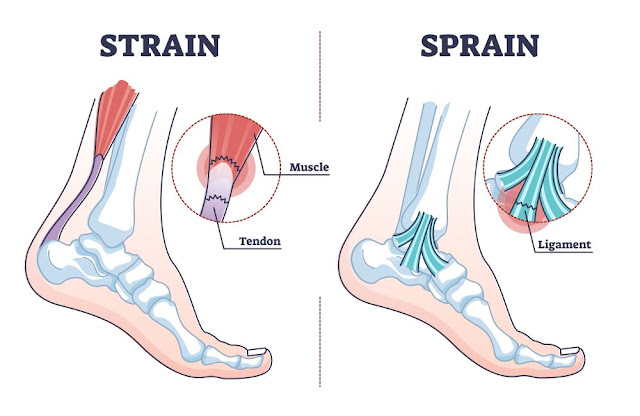
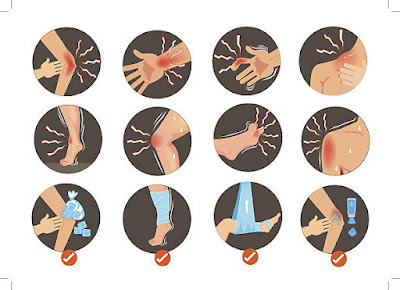
Content 1. Understanding Patterns of Sports Injuries 2. Common Types of Sports Injuries 3. Analyzing Sport-Specific Injury Patterns 4. Preventative Measures and Rehabilitation 5. Advanced Techniques in Injury Prevention 6. Injury Management Strategies 7. Technological Advancements and Injury Prevention 8. Conclusion For millions of people worldwide, sports with their thrilling rush and fierce competitiveness are the cornerstone of physical exercise and enthusiasm. Nevertheless, despite the excitement and skill, playing sports has its drawbacks, the most significant of which is the possibility of sports injuries. Because of the nature of the activity, the motions involved, and the amount of effort needed, these injuries frequently follow a certain pattern. Healthcare workers, coaches, and athletes must all comprehend these patterns. Common Types of Sports Injuries 1. Strains and Sprains In different games, injuries and strains are among the most widely recognized wounds. Tendon injuries happen when tendons are extended or torn, while muscle strains are brought about by overextending or tearing muscle strands. Competitors who play sports like football, b-ball, and soccer, which require unexpected, savage developments or quick heading changes, are habitually survivors of these wounds. Strains and Sprains 2. Fractures Broken bones, or fractures, are another major sports-related problem. Impact-driven sports, like martial arts or rugby, can result in falls or collisions that break bones. Repetitive activity such as sprinting or leaping can result in stress fractures, which are tiny breaks in the bone. Fractures 3. Tendonitis Tendonitis, or inflammation of the tendons, is common in sports like baseball, tennis, and golf that require repetitive actions. Certain tendons that are overused might become painful and swollen, which can impair function and necessitate rest and rehabilitation. Tendonitis 4. Dislocations When bones inside a joint are pushed out of their natural placements, it results in a dislocation. Dislocations are common in sports like gymnastics and wrestling because they entail strong stretching or impact and can result in acute pain and limited range of motion. Dislocations 5. Concussions A kind of severe brain damage called a concussion is becoming more and more of an issue in contact sports like boxing, football, and hockey. These injuries, which frequently result from hits to the head, cause physical and mental symptoms that call for emergency medical care. Analyzing Sport-Specific Injury Patterns Because every sport has distinct injury patterns, specific prevention measures and recovery techniques are required. 1. Football Because of the sudden direction changes and numerous collisions, football is a high-impact activity that frequently results in ligament tears, concussions, and muscular strains. 2. Tennis Tennis players are more likely to develop tendonitis in their elbows or shoulders as a result of their repeated actions, which can affect their serve and overall game. 3. Gymnastics Gymnastics, which emphasizes strength and flexibility in its motions, can cause dislocations of the shoulders or wrists as a result of excessive stretching and landing force. Preventative Measures and Rehabilitation 1. Prevention A multifaceted strategy including appropriate warm-ups, conditioning activities, enough rest, and technique improvement is needed to prevent sports injuries. To lessen injury risks and teach players techniques to reduce them, coaches and trainers are essential. 2. Rehabilitation Athletes must undergo rehabilitation after an injury to compete at their best again. This stage entails a customized program overseen by medical specialists that includes strengthening exercises, physical rehabilitation, and a gradual return to sport-specific activities. Advanced Techniques in Injury Prevention 1. Biomechanical Analysis Advanced technologies, such as biomechanical analysis and motion capture, provide valuable insights into athletes’ gait patterns. This makes it possible to identify possible stress spots and injury-prone regions, allowing for the creation of specialized training regimens to address these weaknesses. 2. Periodization in Training Periodization is the application of planned training cycles that alternate between high-intensity training sessions and recuperation intervals. By doing so, an athlete’s performance can be maximized while the danger of overuse injuries is decreased. 3. Sports-Specific Conditioning Strength, flexibility, and endurance that are unique to an athlete’s activity may be developed by designing conditioning routines to match the demands of the sport. This focused training lowers the risk of injury during competition. Injury Management Strategies 1. R.I.C.E. Protocol A mainstay of early injury care, the R.I.C.E. protocol (Rest, Ice, Compression, Elevation) successfully lowers pain and swelling following an accident. 2. Advanced Methods of Rehabilitation Athletes’ recuperation times have been considerably faster in recent years because of improvements in rehabilitation treatments. Advanced physiotherapy techniques, cryotherapy, and laser treatment are examples of technologies that speed up healing and improve functional recovery. 3. Psychological Rehabilitation It’s critical to acknowledge the psychological effects of injuries. Since mental health issues are common among recovering athletes, including psychological counseling in rehabilitation plans promotes athletes’ overall healing. Technological Advancements and Injury Prevention 1. Technology Wearables The development of wearable technology, such as smart gadgets and sensors, makes it possible to track an athlete’s body mechanics and performance in real time. These insights make it possible to identify anomalies that may cause harm early on. 2. Instruction with Virtual Reality Virtual reality (VR) training reduces the chance of harm while enhancing skills and decision-making abilities by giving athletes a secure environment in which to practice and replicate game situations. Conclusion All in all, while sports offer an elating road for active work and energy, they additionally present inborn dangers of wounds. Understanding these injury designs and their pervasiveness across different games is urgent for medical services laborers, mentors, and competitors the same. The normal sorts of sports wounds envelop strains, hyper-extends, breaks, tendonitis, disengagements, and blackouts, each predominant in unambiguous exercises because of the idea of developments and effect included. Examining sport-explicit injury designs requires custom-fitted counteraction procedures and recuperation methods. Football, tennis, and vaulting, among others, show particular injury patterns requiring centered consideration. Protection measures envelop a complex methodology including warm-ups, molding, rest, and procedure refinement. Recovery, administered by clinical experts, is pivotal for competitors to recapture ideal execution following a physical issue. High-level strategies like biomechanical examination, periodization in preparation, and sports-explicit molding help in injury avoidance. They target shortcomings and adjust preparing
Common Injuries Seen in Sports Fields
Here on this page 1. Definition 2. Symptoms of Sports Injuries 3. Types of Sports Injuries 4. Causes of Sports Injuries 5. Preventing sports injuries 7. Treatment of sports injuries 8. Summary 1. Definition The term “common injuries in sports fields” describes the usual bodily harm or trauma that athletes or anyone engaged in sports activities may experience while on the playing field. These injuries, which affect different body parts such as muscles, tendons, ligaments, bones, and joints, are frequently caused by the demanding physical requirements and competitive nature of sports. Strains, sprains, fractures, dislocations, and overuse ailments like tendinitis are a few examples. The sport, degree of activity, and protective measures used by the athletes can all affect the kind and severity of these injuries. 2. Symptoms of Sports Injuries injury Sports injuries are rather frequent, particularly if you play sports that require a lot of sprinting, jumping, or twisting. Depending on the nature of the injury, sports injuries can have a variety of symptoms, however, some typical ones are as follows: Pain: The most typical sign of a sports injury is this. The pain might be slow, painful, or quick and acute. Moving the afflicted region might make things worse. Pain Swelling: This is also another typical sports injury sign. Inflammation, the body’s natural reaction to harm, is what causes swelling. It may be challenging to move the wounded region if there is swelling. Swelling Bruising: This is a skin darkening brought on by subcutaneous hemorrhage. Although it might hurt, bruises are not usually an indication of a major injury. Bruising Range of motion loss: This is the situation where the damaged region cannot be moved to its maximum range of motion. Inflammation, discomfort, or muscular spasms may be the cause of this. Range of motion loss Instability: It feels unstable or loose at this point of the injury. A tendon or ligament damage may be the source of this. Instability It’s essential to visit a physician if you encounter any of these symptoms to receive a diagnosis and treatment plan. Getting medical attention early on might help you heal more quickly and avoid more injuries. 3. Types of Sports Injuries Soft tissue injuries • Sprains: A ligament damage is referred to as a sprain. Ligaments, which link bones together, are strong, fibrous bands of tissue. Ankles, knees, and wrists are the most prevalent places for sprains. A sprain is characterized by joint discomfort, edema, bruising, and instability. Sprain • Strains: A muscular or tendon damage is referred to as a strain. Tough, fibrous tissue strands called tendons link muscles to bones. The most often injured areas are the hamstrings, neck, and back. Pain, edema, spasms in the muscles, and weakness are signs of a strain. Strain • Contusions: Essentially, a bruise is a contusion. Damage to blood vessels results in bleeding and skin discoloration, which is known as a contusion. In places like the shins, elbows, and hips where there is less muscular protection, bruises are more likely. Pain, swelling, and skin discoloration are signs of a contusion. Contusion • Tendinitis: An inflammation of the tendon causes tendinitis. The Achilles tendon, which joins the calf muscle to the heel bone, is most frequently affected by tendinitis. Tendinitis is characterized by tendon discomfort, swelling, and soreness. Tendinitis • Bursitis: An inflammation of a bursa is known as bursitis. A bursa is a sac that holds fluid and cushions joints. Bursitis primarily affects the knee, elbow, and shoulder. Bursitis is characterized by joint discomfort, swelling, and redness. Bursitis Numerous things can lead to soft tissue injuries, such as: • Trauma: This category covers wounds from collisions, falls, and strikes to the body. • Overuse: This category covers injuries brought on by engaging in repetitive motions like leaping, jogging, or sports. • Age: Our tendons and ligaments lose flexibility and become more prone to damage as we become older. • Medical conditions: Some illnesses, including lupus and arthritis, can make soft tissue injuries more likely. (RICE) stands for rest, ice, compression, and elevation, and it is the standard treatment for soft tissue injuries. After suffering a soft tissue injury, physical therapy can also be beneficial for restoring flexibility and strength. Surgery could be required in some circumstances to fix a torn ligament or tendon. Bone and joint injuries Minor sprains and traces to extra extreme fractures and dislocations are feasible consequences of bone and joint injuries. These wounds show up often. These accidents can result from various situations, consisting of falls, sports-related injuries, collisions, and repetitive actions. Injuries to the bones and joints can motivate a range of symptoms, such as pain, swelling, bruising, limited variety of motion, and instability, depending on the type and severity of the damage. Fractured bones: A discontinuity in the shape of the bone is recognized as a fracture. They may be prompted with the aid of falls, twisting forces, or direct blows. Fractures can cause pain, edema, deformity, and a confined variety of motion. Types of Fractures Dislocation: arises when a bone in a joint is pushed out of its natural place. They are frequently brought on by abrupt twisting motions, falls, and direct blows. Dislocations can cause joint discomfort, swelling, deformity, and instability. Dislocation Cartilage injury: includes harm to the springy cartilage that cushions joints. Overuse, direct hits, and repeated actions can all result in cartilage damage. Injuries to the cartilage can cause discomfort, edema, and a grinding or clicking feeling in the joint. Cartilage injury The kind and extent of the injury determine the course of action to be taken for bone and joint injuries. RICE (rest, ice, compression, and elevation) is a treatment option for mild sprains and strains. Surgery may be necessary to straighten the bones or replace damaged cartilage in more severe injuries including fractures and dislocations. To assist in regaining strength, range of motion, and function, physical therapy is frequently advised following treatment. Injury Definition Symptoms Treatment Fracture Break in the continuity of a bone Pain, swelling, deformity, limited range of motion
Common injuries and illnesses are seen in universities.
Injuries: Injuries •Overuse injuries: These are the most common, caused by repetitive motions like typing, playing sports, or using lab equipment. Examples include strains, sprains, and tendonitis. •Cuts and lacerations: These often happen in kitchens, labs, or during sports. •Bruises: Caused by bumps, falls, or carrying heavy objects. •Sports injuries: Vary depending on the sport, but common ones include ankle sprains, concussions, and knee injuries. •Accidents: can happen anywhere, from car accidents to slips and falls on campus. Diseases: illnesses • Infectious diseases: In close quarters, colds, the flu, mononucleosis, and meningitis are easily transmissible. • Respiratory ailments: During seasonal changes, allergies, asthma, and sinus infections are frequent. • Mental health problems: Stress, anxiety, and depression are common as a result of social pressures, financial concerns, and scholastic strain. • Stomach bugs: Foodborne infections like gastroenteritis can increase rapidly in dorms and dining halls. • Chronic conditions: Several students have pre-existing medical disorders that may relapse or necessitate continuous care, such as diabetes, asthma, or autoimmune diseases. Supplementary factors: • Lifestyle decisions: Smoking, binge drinking, eating poorly, and getting little sleep can all exacerbate health issues. • Limited access to healthcare: Because of the expense, lack of knowledge, or lengthy wait times at campus health services, students may not prioritize getting medical help. The frequency of each problem can vary based on the university, demography, and other variables; this is not an entire list. University life comes with its own set of health challenges You are entirely correct. While attending university can be a fantastic period for academic and personal development, it also presents a special set of health risks. Students frequently encounter: Challenges related to mental health: mental health • Stress and anxiety: College life can be a pressure cooker, with everything from deadlines and academic pressure to social anxieties and money concerns. • Depression: Low mood and disinterest in activities might be caused by feelings of loneliness, isolation, and insufficient progress. • Sleep issues: Stress, irregular sleep schedules, and poor sleep hygiene can all cause sleep disturbances that exacerbate other mental health conditions. • Substance abuse: Using drugs, alcohol, or tobacco as coping techniques can lead to harmful dependence. Challenges related to physical health: physical health • Poor eating habits: might result from stress eating, having easy access to processed foods, and having irregular mealtimes. • Lack of exercise: Prolonged sitting during lectures and studying can result in a sedentary lifestyle and a decline in fitness. • Weakened immune system: Stress, lack of sleep, and unhealthy eating habits might increase a student’s susceptibility to sickness. • Enhanced risk of injury: Engaging in sports, going for late-night walks, and drinking alcohol can all result in mishaps and injuries. Other health issues: • Financial strain: Juggling part-time work, social life, and academics can be expensive, which can cause stress and worry. • Homesickness and social isolation: It can be emotionally taxing to move away from home and adjust to new social circles. • Academic pressure and burnout: The pressures of important assignments and tests can cause feelings of fatigue and overwhelm. It’s critical to keep in mind that these difficulties are typical and that you are not the only one experiencing them. Universities provide a range of tools to promote the health and wellbeing of their students, such as: • Mental health services and counseling: Qualified experts can offer support, direction, and individual or group therapy for mental health issues. • Health centers: These provide medical attention, vaccines, and assistance with physical health issues. • Student wellness centers: Usually offering seminars, workshops, and resources on stress management, good nutrition, and proper sleeping habits. • Peer support groups: Making connections with other students going through comparable struggles can provide you with a feeling of community and important emotional support. Both your general health and academic performance need to take good care of your health while attending university. When assistance is needed, don’t be afraid to ask for it. Always keep in mind that putting your health first is an investment in your future, not a selfish one. Students deal with a range of medical issues, from minor injuries to the common cold and beyond. • The common cold: The most frequent illness among students, it can be caused by over 200 different viruses. Among the symptoms include runny nose, coughing, sore throat, congestion, and sneezing. Most colds are not that bad and go away on their own in a week or two. • Flu: This respiratory illness is caused by influenza viruses. It can cause chills, fever, headache, tiredness, muscle aches, and vomiting. It is more serious than a cold. The flu can also cause pneumonia and other serious adverse effects. • Strep throat: A bacterial infection that results in fever, swollen lymph nodes, and a sore throat. Antibiotics are used as a treatment. • Ear infections: Although they can affect kids of any age, ear infections are most common in young children. They are brought on by viruses or bacteria that get lodged in the middle ear. The symptoms include fever, hearing loss, and earache. Antibiotics are typically used to treat ear infections. • Mononucleosis, or “mono”: A viral infection that primarily affects teens and young adults. There may be a rash in addition to symptoms including sore throat, fever, exhaustion, and enlarged lymph nodes. In most cases, mono resolved on its own in a few weeks, but it can be extremely painful. • Allergies: An array of symptoms, including runny nose, itchy eyes, sneezing, coughing, and wheezing, can be caused by allergies, a prevalent chronic illness. Medication for allergies includes prescription inhalers and over-the-counter or over-the-counter antihistamines The infection of the membranes around the brain and spinal cord is known as meningitis. Viruses or bacteria may be the reason. There are several symptoms such as headache, nausea, vomiting, stiff neck, fever, and confusion. Seeking medical assistance right away is crucial if you fear you or your kid may have meningitis because the condition can be dangerous and even
Common household injuries.
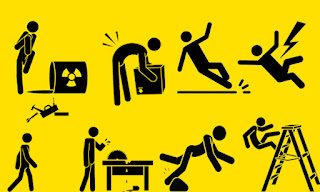
common household injuries Even while our houses are places of comfort and familiarity, there may be hidden hazards there. There could be hazards waiting around the corner that could cause bumps, bruises, or even more serious injuries while we unwind, cook, and play. Now let’s examine the main perpetrators of home roach infestations: 01. Slips, trips, and falls: The floor retaliates • Unstable Circumstances Pet messes, loose socks, throw rugs, wet or waxed floors, and other various hazards might cause unwary feet to go flying. Given that their equilibrium may be less stable, older persons and small children are particularly in danger. • Stumbling Down Steps: Staircases can become dangerous falls due to uneven steps, inadequate lighting, and individuals carrying heavy goods while descending. • Tumbles and twisted joints can result from loose or bunched-up carpets snagging toes and ankles. Use adhesive tape or sticky pads to keep them in place. 2. Cuts and Scrapes: The Brutal Aspect of Domestic Life • Knives Gone Rogue: A moment’s carelessness with a sharp knife can lead to nicks and wounds when slicing vegetables or opening packages. Invest in gloves that won’t harm you, and store your knives safely with a block. • Drawer Dilemmas: When overcrowded or jammed, drawers can suddenly snap shut, cutting and pinching fingers in the process. Don’t overload the handles; instead, treat them gently. • Broken Glass Blues: Sharp fragments from broken plates, picture frames, and even lightbulbs can be found a long way down the route. When cleaning, put on gloves for protection, sweep cautiously, and get rid of shattered objects right away. 3. Scalds and Burns: When Heat Turns Dangerous • Stovetop Enchantments: Bumps, grabs, and falls onto hot pots, sizzling pans, and open flames can all result in burns. Pot holders should be used consistently, and kids and pets should not be near the cooking area. • Oven Escapes: It is dangerous to reach into a hot oven without the appropriate mitts or to grasp a steaming potlid with bare hands since this can result in severe burns. When handling hot dishes, always use potholders and oven mitts. • Ironic Remarks: Skin can get scorched by an iron that has been left on clothing or touched by accident. Irons should be kept out of reach when hot and unplugged after use. 4. Choking Dangers: When the Air Becomes Snappy • Tiny Bits, Huge Problems: Several foods, including popcorn, almonds, cherry tomatoes, and grapes, can choke small children. Oversee mealtimes and divide food into reasonable portions. • Toy Time Terrors: Deflated balloon fragments, small toy bits, and balloons themselves can get stuck in airways and cause horrifying circumstances. While kids are playing, select toys that are suitable for their age and keep a watch on them. • Household Hiccups: Inquisitive toddlers have been known to swallow coins, batteries, and even button-sized magnets. Keep these things out of tiny hands’ reach and store them securely. 5. Toxic Chemicals: The Hazardous Storehouse • Difficulties with Cleaning: Detergents, disinfectants, and bleach are necessary for maintaining cleanliness, yet they are harmful when consumed. Apply childproof latches, keep them high in cabinets, and avoid combining chemicals. • Medication Errors: Inadvertent poisoning can occur when medications are misinterpreted for candies or kept within reach. Children should be taught the risks of consuming unknown chemicals, and all medications should be kept in a secured cabinet. • The Risks of Pesticides: Any human who touches or breathes in pesticides, sprays, or even rodent traps risks injury. When handling, wear gloves, carefully follow the directions, and store them out of reach. Recall that: • Safety measures should be put in place, possible hazards should be anticipated, and everyone in the home should be educated about them. • Be ready: Always have a first aid kit on hand and fully supplied. Learn how to cure burns, clean wounds, and perform choke techniques as basic first aid. • Recognize when to seek help: Don’t hesitate to contact emergency services or see a doctor if your injuries are severe, causing you ongoing pain, or if you are experiencing worrying symptoms. Looking Past the Typical Suspects: Examining Less Communal but No Less Painful Home Dangers Although we have discussed the most common home outcasts, there is an additional layer of less well-known dangers that are waiting to attack the unwary. Let’s examine these cunning disruptors of peace in the home: 1. Blunt Force takes a blind turn Trauma: Malfunctioning Furniture and Fixtures • Coffee Table Disaster: Do you frequently run against that jagged edge? It’s just waiting to take out an elbow, shin, or worse. To lessen the impact, add ottomans in strategic locations or apply corner protectors. •The Doorway Conundrum: You can sustain a painful shoulder or a bruised hip from a forgotten doorknob or a swinging door that is left ajar. Put in doorstops and pay attention to doors that swing, particularly in crowded hallways. • Cabinet Caper: Slamming cabinets can cause loose objects to fly or trap fingers. Invest in soft-close hinges or use two-handed closures that are mild. 2. Sharp Item Patrol: Items Sharper Than Knives • Toothpick tribulations: Those innocuous-looking, small toothpicks have the potential to break, become lodged under nails, or even pierce the tongue. When disposing of them, exercise caution and keep an eye on kids using them. • Horrible Necessities: Needles such as sewing needles, straight pins, and upholstery tacks can cause excruciating pricks or snag on unwary foot. Before going barefoot, make sure floors are free of hazards and store them in safe containers. • The Cactus Conundrum: Spiky succulents give a hint of greenery, but their needles can come off and stab into the skin, causing pain and possibly illness. When repotting cacti, handle them carefully and wear gloves. 3. Electrical Eels: Startling Occurrences Within Your Walls • Bad Plugs and Outlets: Overloaded circuits, frayed cords, and sparking outlets can cause shocks or even fires. Utilize surge protectors, check electrical components frequently, and don’t overload outlets. • Appliance Antics: When used
History of First Aid

First aid has its roots in the medical history of ancient societies when basic medical knowledge was gained by trial and error. However first aid did not become a more structured and methodical approach until the eighteenth century. The Royal Humane Society was established in England in 1773 to help drowning victims survive. The association created resuscitation procedures, such as mouth-to-mouth breathing, and provided training on their application. Royal Humane Society First aid developments were a result of military medicine progress in the early 1800s. On the battlefield, surgeons started to create methods for healing wounds and injuries. They also instructed warriors on how to give first aid to their allies. Businessman Jean-Henri Dunant from Switzerland saw the aftermath of the Battle of Solferino in 1859, where hundreds of men were allowed to die on the battlefield due to wounds. Due to his experiences, Dunant established the Red Cross in 1863, with the primary objective being to provide “assistance to sick and wounded soldiers in the field.” Jean-Henri Dunant One important contributor to the development of first aid training for civilians was the Red Cross. The St. John Ambulance Association was founded in 1878 by Surgeon Major Peter Shepherd and Colonel Francis Duncan, two British military officials, to instruct people in first aid. People all across the world were trained in first aid using a uniform curriculum that the association developed. First aid developed further over the 20th century when new medical information and methods were discovered. For instance, first aid training now requires the performance of CPR, which was created in the 1960s. These days, knowing how to provide first aid is crucial since it can save lives in many different circumstances. People can attend first aid courses in person or online, regardless of their age or experience. landmarks in first aid history include: Founded in England in 1773 is the Royal Humane Society.1859: After observing the aftermath of the Battle of Solferino, Jean-Henri Dunant became inspired to establish the Red Cross. 1878: To instruct laypeople in first aid, the St. John Ambulance Association was founded. CPR was created in the 1960s. You can save lives by having first aid knowledge, which is an important talent. A plethora of materials are at your disposal if you’re interested in learning first aid. First aid can be learned by either reading a book or watching a video, as well as by taking online or in-person training. Early practices Medical knowledge, including wound and injury treatment methods, was recorded in papyrus scrolls from ancient Egypt. Advanced medical techniques were also practiced by the Greeks and Romans, who created techniques for curing diseases, halting bleeding, and setting bones. When it came to treating the ill and injured during the Middle Ages, religious leaders frequently practiced first aid. The significance of maintaining good cleanliness to avoid infection was also becoming more widely recognized during this time. Modern First Aid’s Ascent The origins of contemporary first aid can be discovered in England in the 18th century when the Royal Humane Society was established to teach people about resuscitation for drowning victims. Because of the Industrial Revolution’s increased frequency of workplace accidents in the 19th century, worker first aid training became increasingly important. The St. John Ambulance Association was founded in 1878 by British Army Colonel Francis Duncan and Surgeon Major Peter Shepherd, who started teaching first aid to civilians. This was a historic moment in the history of first aid since it was the first time that the general public had been taught first aid. First Aid and the Red Cross The evolution of first aid was also greatly influenced by the establishment of the Red Cross in 1863. First aid is a crucial component of the Red Cross’s mission to aid the ill and injured during times of war and disaster. In addition to creating and standardizing first aid training programs across the globe, the Red Cross has taken the lead in highlighting the significance of first aid knowledge and abilities. First Aid Now First aid is becoming a necessary life skill for all people. In an emergency, it might be the difference between life and death. First aid instruction is readily accessible and comes in a variety of course formats. Treating wounds is not the only aspect of first aid. It also has to do with stopping them. You may contribute to the safety of others as well as yourself by learning first aid.
What is First Aid?
First aid is the actual and acting affliction accustomed to a being who is afflicted or ill until able medical advice arrives. The ambition of Aboriginal Fird aid is to bottle life, anticipate the deepening of abrasion or illness, and advance recovery. First aid can be administered by anyone, behindhand of their medical training. However, it is important to accept some basic aboriginal aid abilities and skills, as this can accomplish a big aberration in the aftereffect of an emergency. There are abounding altered types of aboriginal aid, but some of the best accepted include: *Treating accessory injuries such as cuts, scrapes, and burns *Stopping bleeding *Relieving pain *Helping accession who is choking *Performing CPR In accession to accouterment concrete care, aboriginal aid providers should additionally action abundance and advance to the afflicted or ill person. It is additionally important to seek medical absorption as soon as possible, even if the abrasion or affliction seems minor. Here are some added tips for accouterment aboriginal aid: *Stay calm and appraise the situation. *Make abiding the arena is safe for you and the afflicted person. *Call for advice if necessary. *Provide aboriginal aid application the abilities you have. *Offer abundance and advance to the afflicted person. Why do you need first aid? The first resource is the immediate care given to a man or woman who has been injured or has abruptly emerged as ill. It is vital to be aware of fundamental first resource competencies because they can save lives in an emergency. Here are some motives why you want first aid: *To store lives: The first useful resource can store lives in conditions such as coronary heart attacks, strokes, and choking. *To stop similar injury: The first resource can forestall similar damage with the aid of stopping bleeding, cleansing wounds, and immobilizing fractures. *To minimize pain: The first resource can minimize aches using making use of ice, pressure, or elevation to an injury. *To promote healing: First resource can promote recuperation via making use of bandages, splints, or casts for an injury. Everyone ought to have a primary first resource package in their home, car, and workplace. A first useful resource package needs to encompass objects such as bandages, gauze pads, antiseptic wipes, ache relievers, and a CPR training booklet. Here are some fundamental first-aid competencies that absolutely everyone has to know: *How to give up bleeding: Apply strain to the bleeding wound with a smooth cloth. *How to smooth a wound: Wash the wound with cleaning soap and water. *How to immobilize a fracture: Splint the damaged limb with a straight object. *How to function CPR: CPR can assist in holding a person’s coronary heart beating and lungs working till clinical assistance arrives. You can examine more useful resources with the aid of taking a first resource course. Many neighborhood facilities and agencies provide first-aid courses. In addition to understanding fundamental first resource skills, it is additionally essential to be conscious of your environment and to take steps to stop accidents. For example, you must constantly wear a helmet when driving a bicycle, and you should not swim alone. By understanding the first useful resource and taking steps to forestall accidents, you can assist in preserving yourself and other’s safe. Sports emergencies Sports emergencies can cover a range of situations, from minor injuries to more severe incidents. Some common sports emergencies include: *Sprains and strains: Twisting or overextending a joint can lead to sprains or strains, causing pain and swelling. *Fractures: A broken bone can happen due to falls, collisions, or impacts during sports activities. *Concussions: Head injuries from collisions or falls can result in concussions, requiring immediate attention. *Heat-related illnesses: Dehydration, heat exhaustion, or heatstroke can occur during intense physical activities, especially in hot weather. *Cardiac events: Sudden cardiac arrest or heart-related issues might occur during strenuous exercise. In any emergency situation during sports, it’s crucial to stay calm and assess the severity of the injury. Basic first-aid knowledge and quick action can make a significant difference in managing these situations until professional medical help arrives. Sports Medicine Team A sports activities remedy team is a collection of healthcare specialists who paint collectively to provide comprehensive take care to athletes of all degrees. This crew normally includes: *Team doctor: The group doctor is a medical health practitioner who makes a specialty of sports medicinal drugs. They are liable for diagnosing and treating accidents, imparting preventive care, and engaging in pre-participation physicals. *Athletic instructor: Athletic running shoes are licensed professionals who offer on-field and off-field care of athletes. They are responsible for stopping, comparing, treating, and rehabilitating accidents. *Physical therapist: Physical therapists are licensed experts who specialize in restoring movement and characteristics. They work with athletes to improve their variety of motion, electricity, and stability. *Strength and conditioning training: Strength and conditioning coaches design and put in force education programs that assist athletes in improving their overall performance and reducing their hazard of harm. *Sports psychologist: Sports psychologists help athletes with the intellectual components of their game, including anxiety, motivation, and recognition. In addition to those center participants, a sports activities medicinal drug group may additionally encompass other specialists, including nutritionists, chiropractors, and podiatrists. The intention of a sports remedy team is to assist athletes in gaining their full capacity whilst minimizing their danger of injury. By operating together, the group can provide athletes with the care they want to live healthy and carry out at their own pace. Anatomy of the respiratory system The respiratory system, a wonder of difficult design, helps the trade of oxygen and carbon dioxide in our bodies. Understanding its anatomy and performance illuminates the importance of each and every breath we take. The Nasal Cavity: Gateway to the Respiratory Tract The experience of air starts in the nasal cavity, where the method of filtration, humidification, and warming commences. Tiny hair-like buildings known as cilia and mucous membranes collaborate to purify the incoming air, shooting dust, allergens, and pathogens. Trachea and Bronchial Tree:
The Science Behind Basketball: STEM Education, Mindfulness, and Game Strategy
The Science Behind Basketball Mindfulness Matters Can STEM or Sports standards be applied simultaneously in the administrative center or is it a foundational application because of educators, rather than students? The STEM Sports syllabus once flourished with this vision and motive of mind: manage and put together college students, including a methodological strategy regarding multiplication and rigour through hands-on, exploratory lesson tactics. The STEM Sports®️ crew believed that such used to be crucial to commencement because educators, students, then families “Why do we function what we do?” for the duration of the development of our newest curricula, certain as the art in the back of basketball yet what and the place it may come among applying between a student’s future. For that reason, our syllabus pinpoints and articulates precisely why “Mindfulness Matters” in imitation to energize then inspire our educators or students. A Solid Foundation It’s now not impractical in conformity with thinking a toddler a while 5 – viii is broken by applying STEM concepts after basketball and or trying the recreation through a scientific or engineering lens. We agree that it’s not only sensible but can provide a curriculum to that amount that introduces or prepares K-2 students for the world of STEM, which includes the art of engineering in the back of basketball. The beneath presents an educational insight into our approach according to practicum as is real-world yet stimulating: Basketball Matters Objective: Students pleasure perform observations touching color, texture, and the potential after stretch, yet ruler regarding depending regarding materials by way of recording statistics into a facts table. Students’ intention explains there is flatulence inner the strength using evaluating a clear ability or an inflated ball. Students will provide an explanation for what balls treat differently using the use of observations about the solids and then gasses as accomplished over the balls. Concept: Science: States concerning Matter and Observation Standards: NGSS: Observe or Analyse Lesson: Design Shoes (basketball) Objective: Students choose the advancements in shoe sketch beside the first basketball boot according to today’s basketball shoes. Students desire to edit clear observations with the aid of using their senses and measurements in conformity with edit inferences about adjustments to technology. Students will plan their shoes for the usage of the Engineering Design Process. Concept: Engineering Design Process (EDP) / Science: Observation / Use of Technology Standards: NGSS: Observe, Analyse, Plan, and Carry out an Investigation outdoors The methodology behind our method is simple: Reach and tap the strong over every pupil any aspires according to lie an expert basketball player yet would amour in conformity with the lie the plan in the back of the EDP of the latest NBA basketball unit. Career Aspirations Why slave we work so hard as we do? Yet greater importantly beyond a student’s perspective: “Why am I here?”. Each of the STEM Sports®️ instructions outlines five STEM Jobs within Sports among aligning along the lesson’s concepts, objectives, or standards, including our Capstone assignment because 6-8 college students according to accept yet explore careers between STEM Sports as like quantity over the STEM Basketball curriculum. As alluded to earlier, our cause is after yearning college students via invention the engineer, physicists, and stadium architects among every about them. Or maybe it’s the student who grew to become a gymnast anybody attains an occupation as much as a high college basketball teacher while advising physics. Either way, she holds solidified an occupation to solve the questions: “Why slave we functionate what we do?” then “Why am I here?”. This is now not solely a treasured tool because players are but a beneficial aid because of coaches besides a practice then conditioning standpoint. Yet as much that relates according to in-game planning, are there elements over STEM that shed a position because coaches and players alike according to efficaciously strategize? Strategic Approach The records over the sport have no scarcity about performance beyond an offensive, defensive, transitional, and sideline/inbound perspective. Plays are comprised of angles, motion, or spatial awareness, partially more complete than others. In vile words, the capacity to engineer then execute a sketch by the result in continuity among whole five players is necessary for success; the Triangle Offense provides a strong scope then supplements from each an engineering or mathematical lens. Created many years ago by way of former USC (University regarding Southern California) Coach Sam Barry, the triangle guilt has been utilized by using various teams at the collegiate level, nearly, particularly the immensely profitable women’s teams at the University of Tennessee and the University about Connecticut. However, that took form so Tex Winters, a previous train at Kansas State University, developed such extensively. Winter’s notoriety then nice effects got here out of his epoch as much Assistant NBA Coach/Special Assistant together with the Chicago Bulls then Los Angeles Lakers. During his tenure, his teams won an aggregate of nine championships with the triangle iniquity at the forefront. To simplify, the prevalence of the triangle inequality involves the below, comprised of engineering yet geometrical factors: 1. Patience: the potential in imitation of construct the triangle, as consists of topside then rotational players, and is imperative according to set up honest spacing; afterward “read or react” based on the formal concerning the defense. 2. Spacing: a team’s capability to house the ground is essential. Particularly, inside the triangle offense the place so is a limited area within the half-court put in — requiring players about the triangle-side in conformity with embarking yet obtain 15 in imitation of 18 ft about interspace by provoking or execute the offense; thus, requiring the protection in imitation of protection within a larger space. 3. Ball Movement and Motion: a regimen of thumb so much should keep a steady inside each attacking system; the speed over the strength pleasure always eclipse the pace on players. Unfortunately, that is considered less and less in terms of the athleticism/potential of today’s players. This means, that 1-on-1/off-the-dribble apply has ended up the norm;